
WHY PAULOWNIA IS THE SMARTEST CASH CROP FOR KENYAN FARMERS AND INVESTORS TODAY
Kenyan agriculture is at a turning point.
Farmers are dealing with rising input costs, weak crop prices, shrinking land, unpredictable rain, and higher risk every season. Many households depend on crops that no longer match the needs of today’s economy. The result is pressure, slow progress, and very little room to scale.This is where Paulownia stands out as a quiet but strong solution.
Paulownia is a fast-growing hardwood tree that offers multiple income streams, low running costs, and quick returns. Farmers who plant it gain steady income, healthier land, and long-term value that most traditional crops cannot give.
This article breaks down why Paulownia is becoming the tree to watch in Kenya, why EVF Paulownia is pushing it nationwide, and how both small farmers and large investors can benefit from it.
WHAT MAKES PAULOWNIA DIFFERENT FROM OTHER TREES?
Paulownia grows at a speed that surprises first-time growers.
Under good care, it can reach impressive height and thickness within its first year. Instead of waiting 10–15 years like most hardwoods, farmers get income within 3–5 years.Key biological traits that make Paulownia special:
- Fast growth due to a strong central root and high leaf surface area
- Low water needs after root establishment
- Large leaves that create good mulch and strong animal feed
- Light but strong timber valued in both light construction and furniture
- Regrowth after harvest, so farmers do not spend on replanting
This mix makes Paulownia both an income tree and a land builder.
Industry Voice
According to Paulownia Institute (USA):
“Paulownia is one of the fastest trees to reach hardwood size while keeping a light, strong timber that commands high prices.”
For Kenya — where farmers need both speed and strength — this is a big advantage.
WHY PAULOWNIA MAKES MONEY IN SEVERAL WAYS
Most crops give one income.
Paulownia gives many.This is the point that attracts farmers and investors the most. You are not betting your whole farm on one product. You are building a mix of incomes that protect you from market shocks.
1. Timber Sales
Paulownia timber is used for:
- Furniture
- Doors and roofing
- Crafts and instruments
- Construction boards
- Lightweight interior finishing
Because the wood is light, easy to cut, and long lasting, it fits well in markets that value strength without extra weight.
Timber prices continue to rise because Kenya imports a big share of its wood. This means local producers have a ready market waiting.
2. Animal Feed
Paulownia leaves are rich in protein.
When dried or chopped, they turn into strong feed for goats, cows, sheep, pigs, and rabbits.A farmer with 100 trees can supply feed almost all year even in dry seasons.
3. Energy Products
Branches and offcuts can be used for:
- Charcoal alternatives
- Pellet fuel
- Briquettes
This gives farmers a clean waste-to-income system.
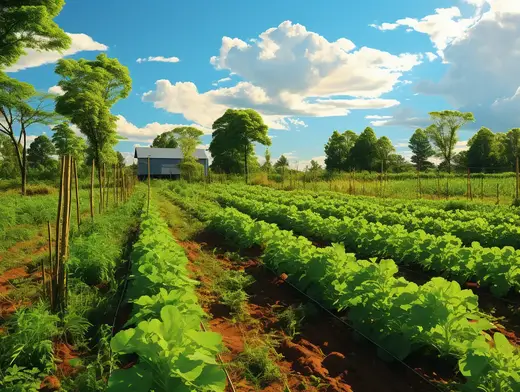
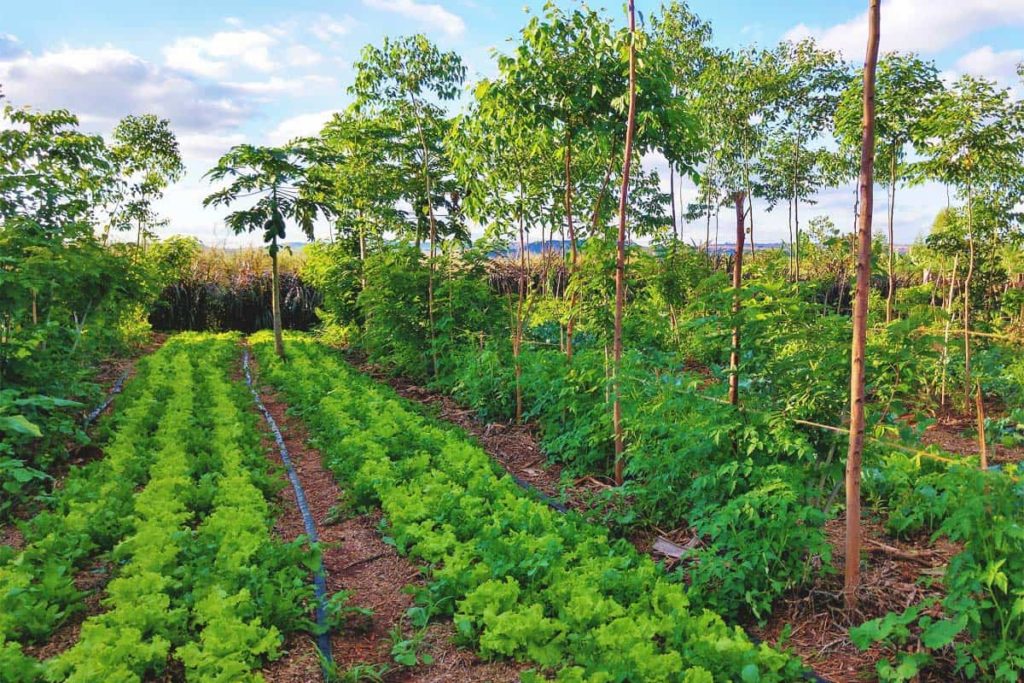
4. Vegetables Under the Canopy
Paulownia allows filtered sunlight through its leaves.
This means farmers can grow:
- Sukuma
- Beans
- Sweet potatoes
- Peas
- Herbs
- Legumes
This turns one piece of land into a double-use field.
5. Carbon Credits
Paulownia absorbs far more carbon than most trees.
This helps farmers earn extra income through carbon markets. EVF Paulownia partners with certified Carbon Credit Firms around the World to support farmers to enter these markets without complex paperwork.
HOW EVF PAULOWNIA IS MAKING THE CROP EASY TO ADOPT
One of the biggest problems in Kenya’s tree-farming space is the gap between planting and money. Many farmers plant trees that take years to pay off, or trees that die early because the seedling quality is poor.
EVF Paulownia solves that by building a full system, not just handing out seedlings.
A. Seedling Quality You Can Trust
All planting material comes from:
- Plantech, Naivasha (tissue culture, plugs, rooted cuttings)
- La Piantina, Kaumoni (potting, hardening, and quality control)
This gives consistent growth, better roots, and stronger survival.
B. Farmer Support
EVF Paulownia guides farmers from:
- Site choice
- Soil prep
- Spacing
- Water plans
- Early pruning
- Pest control
- Harvest planning
- Carbon credit onboarding
A farmer is never left alone.
C. Advisory for Investors
Large-scale growers get support in:
- Land mapping
- Cost planning
- Labour models
- ROI timelines
- Timber sales contracts
- Long-term planting schedules
This makes Paulownia one of the few crops that fit both small farms and large estates.
THE TIMBER SUPPLY GAP — WHY INVESTORS SHOULD PAY ATTENTION
Kenya’s timber demand is rising faster than supply.
Most hardwoods take too long to grow, and cutting native trees has been restricted.Paulownia fills this gap perfectly.
Current Timber Market Trends:
- Construction needs more non-native hardwood
- Furniture makers prefer strong but light wood
- Import costs continue rising
- Local supply is limited
- Demand from eco-friendly buyers is growing
According to FAO Forestry Reports, East Africa will face a major timber shortage within the next 10 years if local production does not increase.
This shortage is a business chance.
With Paulownia ready within 5–8 years, early adopters can dominate the supply chain.
HOW PAULOWNIA IMPROVES LAND AND REDUCES RISK
Paulownia is not just an income tree.
It also heals land.The deep root system helps:
- Break hard soil
- Increase nutrient flow
- Improve water storage
- Reduce erosion
- Support soil life
This makes the land more productive for everything planted under or near the trees.
Farmers who plant Paulownia are not just planting a crop — they are improving the long-term value of their land.
REAL FARM BENEFITS — COMMUNITY AND HOUSEHOLD IMPACT
Paulownia gives steady income, which is rare in rural Kenya.
Farmers earn from:
- selling young trees
- selling leaves
- selling vegetables
- selling energy products
- selling timber
- earning carbon credits
This mix helps families:
- pay school fees
- cover emergencies
- invest in side businesses
- restock animals
When income is steady, families can plan better.
QUOTES FROM GLOBAL EXPERTS
Dr. Laura Eberhart, Paulownia Research Society:
“Paulownia is one of the few trees that give farmers rapid returns while restoring soil. It is a balanced choice for both profit and environment.”
Agroforestry Centre, Australia:
“Because of its low water needs and fast growth, Paulownia fits well in dry regions seeking new income crops.”
More About Paulownia Trees
- Paulownia Seedling Production at La Piantina
- How Paulownia Boosts Carbon Income for Farmers
- Paulownia vs Eucalyptus: A Clear Comparison for Kenya
- Contract Growing Program for Farmers
- Paulownia Land Prep and Management Guide
RECOMMENDED FURTHER READING (EXTERNAL SOURCES)
- FAO Forestry Outlook Africa
- Kenya Forest Service Timber Market Updates
- World Agroforestry Centre (ICRAF) Paulownia Notes
- African Tree Crops Reports
- Energy and Feed Value Studies for Paulownia Leaves (Various Universities)
Why Paulownia Is Kenya’s Most Profitable New Cash Crop